How Weather and Drainage Impact Septic Engineering and Design in Wantage NJ

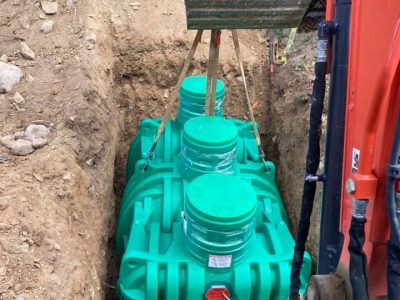
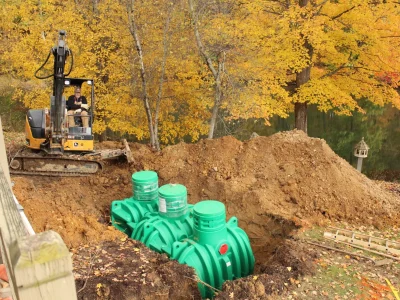
A septic system does not operate in a vacuum. It works in soil, under real weather, across seasons that shift water levels, frost depth, and the rate at which the ground can accept wastewater. In Wantage, those conditions are not abstract design notes. They are the difference between a system that performs quietly for decades and one that struggles after a wet spring, a hard winter, or a poorly managed roof runoff problem.
That is why septic engineering is never just about tank size or drawing lines on a site plan. The engineer has to read the land, understand how water moves across and through it, and account for the local climate. In Sussex County, where topography, seasonal moisture, and variable soils often complicate development, those details matter more than many property owners expect.
When people search for septic engineering and design Wantage NJ, they are often trying to solve a practical problem. They may be building on a rural lot, replacing a failed system, adding a bedroom, or subdividing land. The common thread is this: weather and drainage control much of what is possible, what is permitted, and what will hold up over time.
The ground decides more than the floor plan
On paper, two houses with the same number of bedrooms may appear to need the same kind of septic system. On actual sites, that assumption falls apart quickly. A lot with deep, well-drained soils on a gentle slope behaves very differently from a lot with perched water, shallow restrictive layers, or runoff converging from uphill.
Septic design starts with wastewater flow estimates and code requirements, but the ground determines the safe place to put that water. The disposal field must be able to treat effluent as it moves through unsaturated soil. That treatment depends on oxygen, time, and separation from groundwater or other limiting conditions. Once drainage is poor or the seasonal water table rises too close to the disposal area, treatment becomes less reliable and the risk of surfacing effluent or hydraulic failure increases.
In Wantage, that challenge is not unusual. Many properties include sloping terrain, wooded sections, compacted former pasture, or areas where water lingers after storms. A site can look dry in late summer and still have a serious seasonal high water table in late winter or early spring. Good engineering accounts for the worst credible conditions, not the most convenient day to visit the property.
Rainfall changes the entire equation
Heavy rainfall does not just make a yard muddy. It changes the loading conditions around the septic area and can reveal hidden drainage patterns that are easy to miss during dry weather. When soils become saturated from repeated storms, their ability to accept additional effluent drops sharply. Even a properly sized system can underperform if too much outside water enters the zone around the disposal field.
One of the most common mistakes on residential properties is allowing clean water to behave like septic water. Roof leaders that discharge near the field, driveway runoff that cuts toward the disposal area, and sump discharges that soak the downslope side of the system all create stress that the system was never meant to handle. The septic field is designed for wastewater from the house, not for every gallon of stormwater crossing the lot.
I have seen properties where the septic system itself was blamed for soggy ground, only to find that the larger issue was surface water from an upslope lawn and two downspouts emptying near the disposal area. Once drainage was redirected, the symptoms improved dramatically. That kind of case is a reminder that septic performance is often tied to site water management as much as to the system components.
In wet years, these drainage flaws become impossible to ignore. A marginal lot that behaves acceptably in a dry season may show ponding, odors, or backup issues when rainfall stacks up over weeks. Engineers who know the area tend to septic engineering and design Wantage NJ ask not just where the system fits, but where the stormwater goes in March, after a frozen winter breaks and several inches of rain arrive back to back.
Snowmelt and freeze-thaw cycles create their own pressures
Winter affects septic systems in ways many homeowners do not anticipate. The first concern is frost. Soil temperature, snow cover, system depth, and traffic over the field all influence whether components remain protected. A stable snow layer can insulate the ground surprisingly well, but a plowed or compacted area loses that protection. That is one reason driving or storing heavy materials over a disposal field is such a bad habit, especially in colder months.
The second issue is thaw conditions. During a rapid warmup, snowmelt can saturate the upper soil while deeper layers are still cold and less permeable. Water tends to perch, move laterally, or collect in low areas. If the septic field sits where meltwater naturally accumulates, early spring can become the hardest period of the year for the system.
This matters in septic engineering and design Wantage NJ because northern New Jersey winters are not uniformly severe, but they are variable. One year may bring steady cold and moderate snow cover. Another may cycle between freezing nights and thawing days with rain on snow. That variation pushes engineers to design conservatively. The system has to function through a range of moisture and temperature conditions, not just average weather.
Shallow components, force mains, pumps, and inspection ports also require thoughtful detailing. It is not enough to meet minimums on paper if access points collect runoff or if low spots around tanks hold meltwater. Practical field experience often shows up in small decisions like grading around lids, setting riser elevations, and keeping drainage away from electrical controls.
Soil morphology tells the weather story underground
A single soil test pit can reveal years of water behavior. Mottling, gray colors, redoximorphic features, dense horizons, rock fragments, and texture changes all give clues about how water moves through the site and where it pauses. This is one of the reasons competent septic design relies on careful soil evaluation rather than assumptions based on neighboring properties.
Two adjacent lots can have very different subsurface conditions. One might contain sandy loam with good structure and favorable permeability. The next may include tighter soils, a fragipan-like restrictive zone, or evidence of seasonal saturation only a few feet below grade. Surface appearance does not always predict what lies underneath.
In practice, weather and soil interpretation are inseparable. The engineer is reading how the site responds when nature does what it always does: rain, snow, thaw, recharge groundwater, and move water downslope. A dry excavation in August may still show mottling that indicates a much wetter spring condition. Ignoring those indicators can lead to a system that looks fine at installation and fails under seasonal stress.
That is also why reserve area planning matters. If the primary disposal area becomes unusable in the future, the replacement area must be viable under the same climatic realities. On constrained lots, preserving that reserve while also managing drainage can become the central design challenge.
Topography in Wantage can help or hurt
Slope is not automatically a problem. In fact, mild slope often helps by promoting natural drainage and reducing standing water. Trouble begins when the slope is steep, uneven, or channels runoff directly toward the proposed septic area. Cuts and fills can also alter site hydrology in ways that are not obvious until after construction.
An uphill house site with a downhill disposal area may look attractive because gravity works in your favor. But if the uphill grading sends roof and yard runoff straight toward the field, the benefit disappears. Likewise, a low, flat section at the rear of a lot may seem convenient until test pits show seasonal wetness caused by converging groundwater.
Some of the most difficult sites combine several moderate limitations rather than one severe limitation. A property might have usable soils, but only within a narrow band between a steep wooded slope and a wet swale. In that situation, the engineer has to think several steps ahead. Where will the driveway go? How will construction traffic avoid compacting the disposal area? Will a retaining wall change drainage? Can roof runoff be carried far enough away without creating erosion elsewhere?
These are not minor details. They are often the details that determine whether a permitable design remains functional after the house is occupied.
Why drainage planning should begin before the house layout is fixed
A common sequencing mistake is finalizing the house footprint, garage, driveway, patio, and grading concept before the septic constraints are fully understood. On a municipal sewer lot, that may be workable. On a septic lot, it can back you into a corner.
The disposal field, reserve area, setbacks, and drainage paths need room. Once a large house footprint and aggressive site grading are locked in, the septic designer may be left trying to place a system in the last available patch of land, often the least suitable part of the property.
A smarter approach is to let the land guide the layout. Sometimes that means shifting the house twenty or thirty feet. Sometimes it means rotating the building so the roof drainage can be managed more effectively. Sometimes it means reducing the amount of impervious coverage near the disposal area. Those choices are easier and cheaper on paper than after permits or excavation plans are advanced.
When owners understand this septic engineering and design Wantage NJ early, projects tend to go more smoothly. They also avoid the unpleasant surprise of learning that a dramatic rear patio, oversized detached structure, or broad circular driveway competes directly with the only reliable reserve area on the lot.
Surface water controls that protect septic performance
Not every drainage fix is complicated. The best ones are often straightforward and durable, provided they are designed with the whole site in mind.
The most effective measures usually include the following:
- Direct roof runoff well away from the septic field and reserve area.
- Shape final grading so surface water sheds around, not through, the disposal area.
- Intercept upslope runoff where necessary before it reaches critical septic components.
- Limit compaction over the field by controlling vehicle access during and after construction.
- Maintain stable vegetation to reduce erosion without introducing deep-rooted woody growth into the system area.
Each of those points sounds simple, but the execution matters. A downspout extension that empties ten feet from the field may still be too close on a tight lot. A shallow swale can help, but only if it outlets properly and does not create a wet pocket elsewhere. Seeded cover is useful, but if a contractor leaves ruts and compacted subsoil, vegetation alone will not restore infiltration.
When alternative systems enter the discussion
Conventional gravity systems are often preferred because they are simple and proven. But site conditions in Wantage can require alternatives. If usable soil depth is limited, groundwater separation is tight, or topography constrains placement, elevated or otherwise engineered solutions may be considered depending on local regulations and site findings.
Alternative systems can solve real problems, but they are not magic. They often come with tighter installation tolerances, more components, ongoing maintenance needs, and higher initial cost. A pump system, for example, may help reach a better disposal area or dose effluent more evenly, but it also adds electrical dependence and service considerations. An advanced treatment unit may improve effluent quality before disposal, yet it still relies on a sound receiving environment and proper owner maintenance.
That trade-off is important. Some homeowners assume an engineered system can simply overcome a poor site. In reality, the better view is that engineering manages limitations within reason. Weather and drainage still matter. If stormwater saturates the disposal area or site grading traps water around key components, even a sophisticated design can struggle.
Construction is where many good designs get damaged
A septic design can be technically strong and still be undermined during installation. The most common construction errors relate directly to weather and drainage. Excavation done in overly wet soils can smear trench bottoms and sidewalls, reducing permeability. Heavy equipment traffic can compact future disposal areas. Imported fill placed without proper moisture control and grading can shed water the wrong way.
Timing matters more than people realize. Installing parts of a system during a very wet spell can create long-term problems that are hard to see once everything is backfilled. Competent installers know when to pause, protect an area, or sequence the work differently. That judgment does not always show up in a set of plans, but it often determines whether the finished system performs as intended.
Home construction also creates temporary drainage patterns. Before the final grading is in place, water may flow toward excavations, tanks, or field areas. Silt fence and erosion controls help, but they are not substitutes for active oversight. A disposal area should never become the sacrificial low spot where muddy site water is allowed to collect.
What property owners should watch after installation
Once a system is in service, seasonal observation is valuable. Homeowners do not need to become soil scientists, but they should pay attention to how water behaves on the property. The warning signs are often subtle at first: persistently wet ground after moderate rain, greener strips over parts of the field, runoff concentrating toward the system, or sump and gutter discharges added later without much thought.
A few practical habits go a long way:
- Walk the septic area during wet seasons and note any standing water or runoff paths.
- Keep roof, foundation, and driveway drainage separate from the disposal field.
- Avoid adding fill, sheds, parked trailers, or landscape berms over septic components.
- Pump and inspect the tank on an appropriate schedule for household use.
- Ask about septic impacts before building additions or changing site grading.
What matters here is not just maintenance inside the tank. It is preserving the drainage assumptions the design was built on. I have seen otherwise sound systems compromised by a new paved area, a re-routed downspout, or a decorative swale that accidentally sent stormwater into the reserve area. None of those changes looked major to the owner at the time.
The local factor is real
Septic work is always local. Codes vary, soil conditions vary, and weather patterns vary. In Wantage and the surrounding area, experience with local terrain and seasonal water behavior is not a luxury. It is part of competent practice.
An engineer familiar with septic engineering and design Wantage NJ will usually approach a lot with a different eye than someone relying only on generic standards. They will look for drainage signatures, understand where spring wetness tends to appear, and anticipate the permitting questions likely to arise on a constrained rural parcel. They may also recognize patterns from nearby developments, not as a shortcut, but as context for what the land often does in that part of the county.
That local perspective can save time and prevent expensive redesigns. It can also produce a more resilient result, especially on sites that are buildable but not forgiving.
Good septic design respects water
At its core, septic engineering is an exercise in working with water rather than pretending it can be ignored. Wastewater must move into soil that can treat it. Stormwater must be routed away so it does not overwhelm that process. Groundwater must be respected. Seasonal changes must be anticipated. The land sets those terms.
In Wantage, where climate and drainage patterns can shift a site from workable to problematic within a season, that respect for water is what separates routine design from durable design. A septic system should not merely fit on the lot. It should fit the lot in March, in a wet summer, after a winter thaw, and years after the landscaping is finished and daily life has settled in.
That kind of design tends to be quieter, less dramatic, and more careful than people expect. It asks better questions up front. It notices where runoff goes. It protects soil structure during construction. It leaves room for reserve area. It values grading as much as hardware. And over the long life of a system, those choices usually matter far more than whatever looked easiest on the first sketch.
Excavating New Jersey LLC
406 County Road 565
Wantage, NJ 07461
(973) 791-4284
FAQ About septic engineering and design Wantage NJ
Who can design a septic system?
A New Jersey licensed professional engineer can assess the property and prepare the design. The local administrative authority can explain the applicable submission and permit requirements.
Why would I need an engineered septic system?
Soil conditions, groundwater, setbacks, lot size, or the expected wastewater flow can affect which designs are suitable. A site evaluation helps identify options for the property.
How much does it cost for an engineer to design a septic system in NJ?
Costs vary with site conditions, testing, surveying, and the scope of the design. Ask for an itemized quote that separates engineering, tests, permits, and installation.